TwO Movie Studio at the Universeum Conference (Coimbra, 25.06.2026)
Nina El Laban-Devauton
17 July, 2026
Portugal, Coimbra

TWO Movie Studio at Coimbra University, 25 June 2026
Following up on discussions held at the Universeum 2025 conference – which highlighted video examples as an ideal medium for sharing object-based teaching practices – the Working Group met in Coimbra, Portugal, on 25 June this year for the “TwO Movie Studio”. The aim was to test the feasibility of creating video content in a low-budget and efficient manner. The session lasted just under two hours, within which participants had to form groups, improvise topic and script, film, rough-edit, and submit their clip.
Challenge: Can you create a short movie related to teaching with objects with no budget and within 2 hours time?
Our experiment began with a simple task: each participant was asked to look into their bag or pocket, pick out an object, and briefly think of an explanation for its presence. Based on this prompt, each then indicated their preferred role: behind the camera, presenting the object, rough-editing on their phone, or directing. Soon enough, four teams of four to eight members had formed and dispersed to various locations in the Physics Department of the University of Coimbra. Despite minor technical setbacks, all groups took up the challenge and submitted their video clips.
“Coimbra film festival 2026”
Only eighty minutes later, we gathered again to watch the results. What impressed most was each group's capacity to solve the task in its own way. While some planned their video as an unscripted round-table discussion about their object, others staged it as a silent film, posing questions through title cards. One group explored its object by depicting its various contexts of use; another focused on associative links between the object's uses and its environment. A selection of results is shown in the attached video stills. Get a peek at the results in the attached video stills.
Yet obstacles were also noted. At some universities, shooting a video would involve significant bureaucratic hurdles, let alone publication for a general audience. Several participants praised the pre-filming discussion but regretted that filming itself distracted from the core focus: the object.
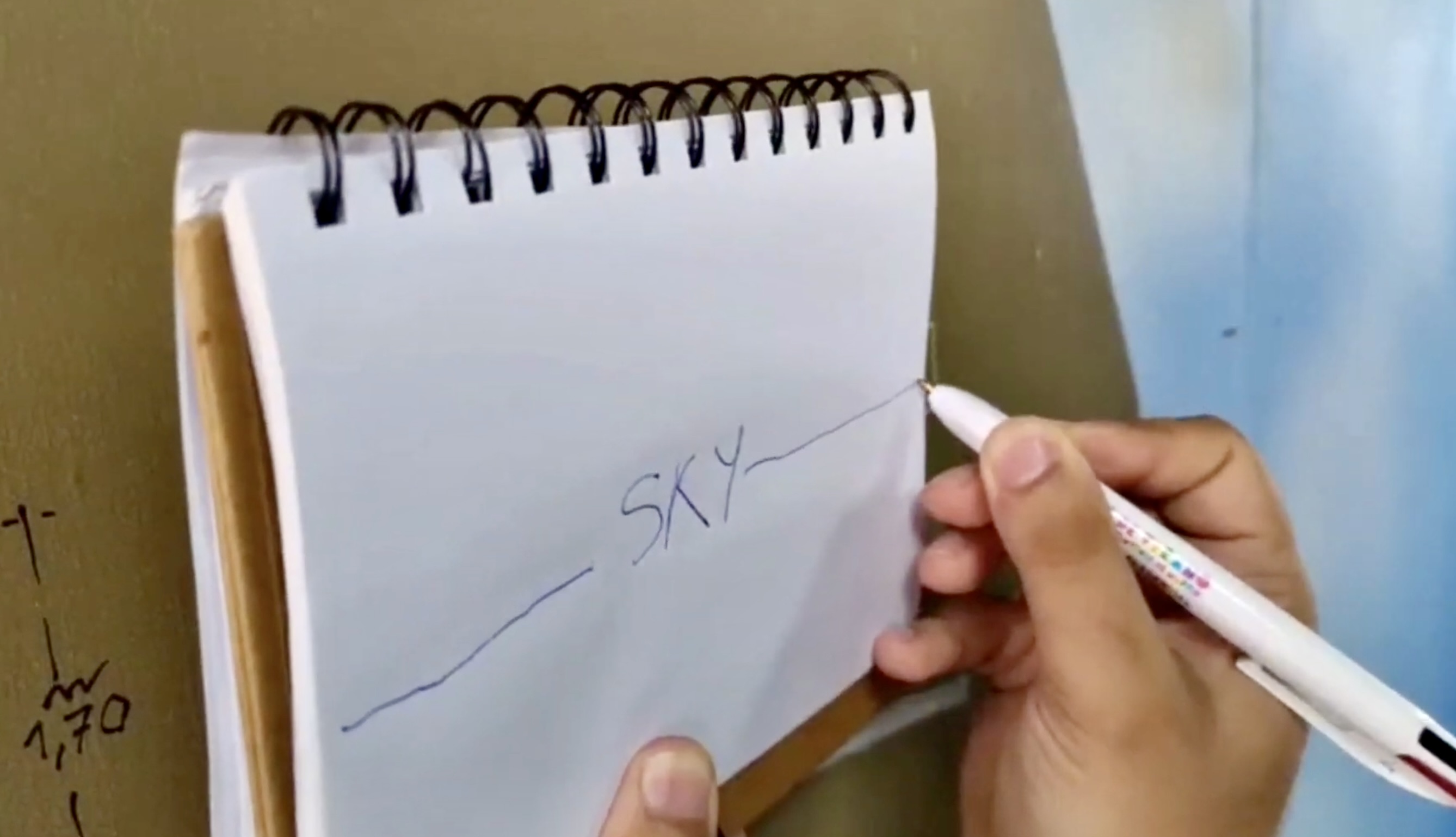
Group "Art is in everything"
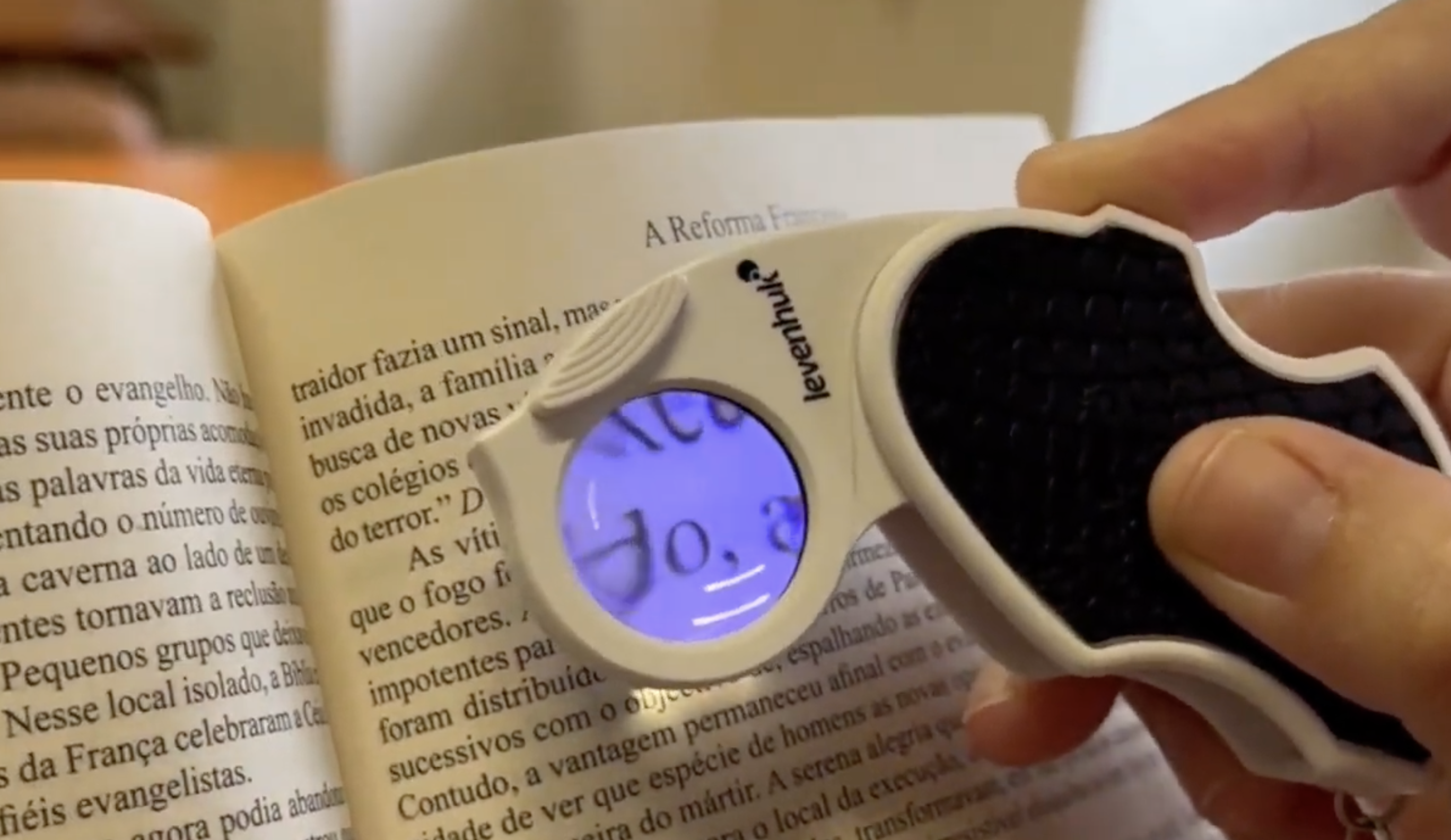
Group "Handy Hand Lens"
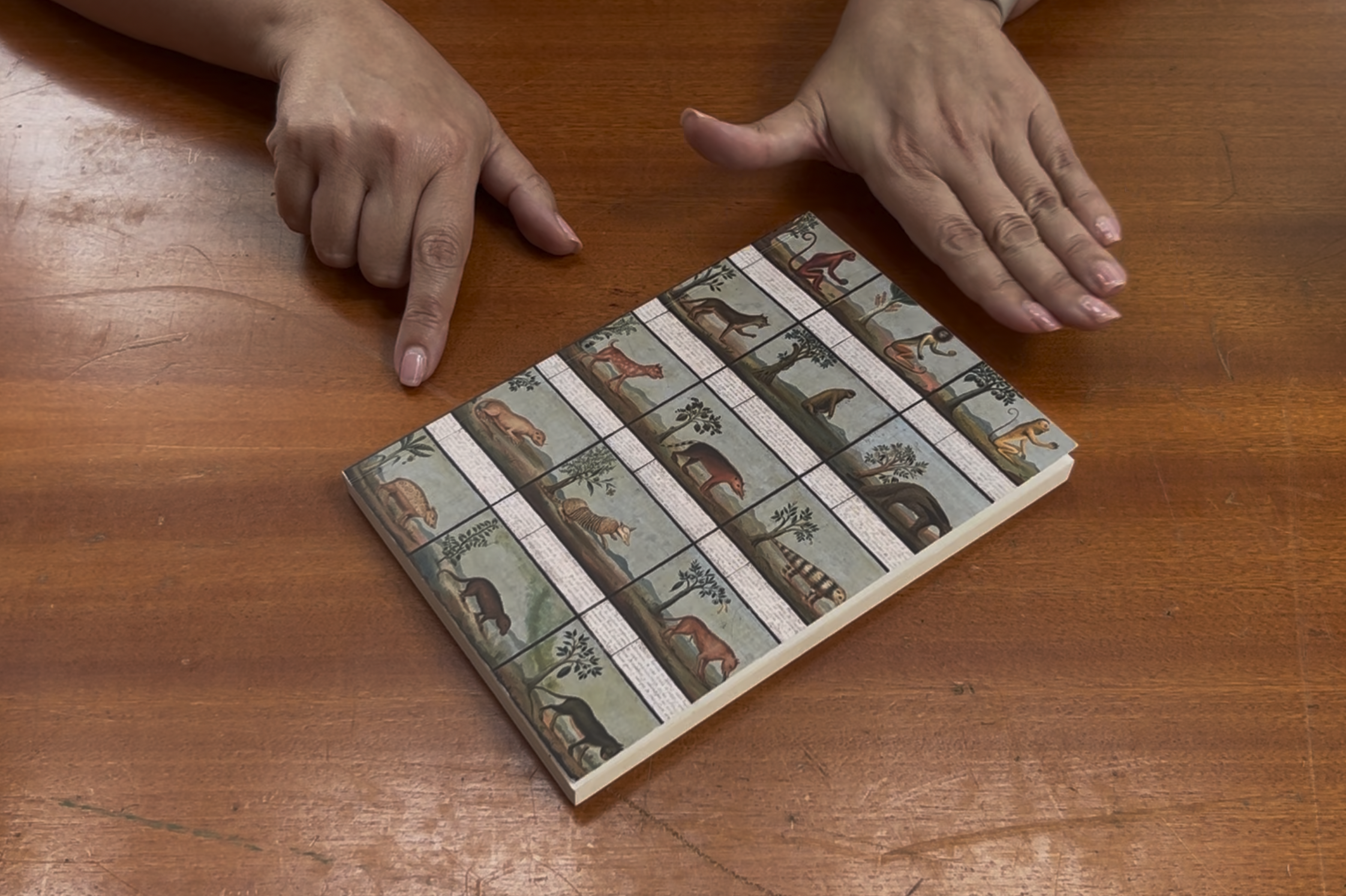
Group "Notebook"
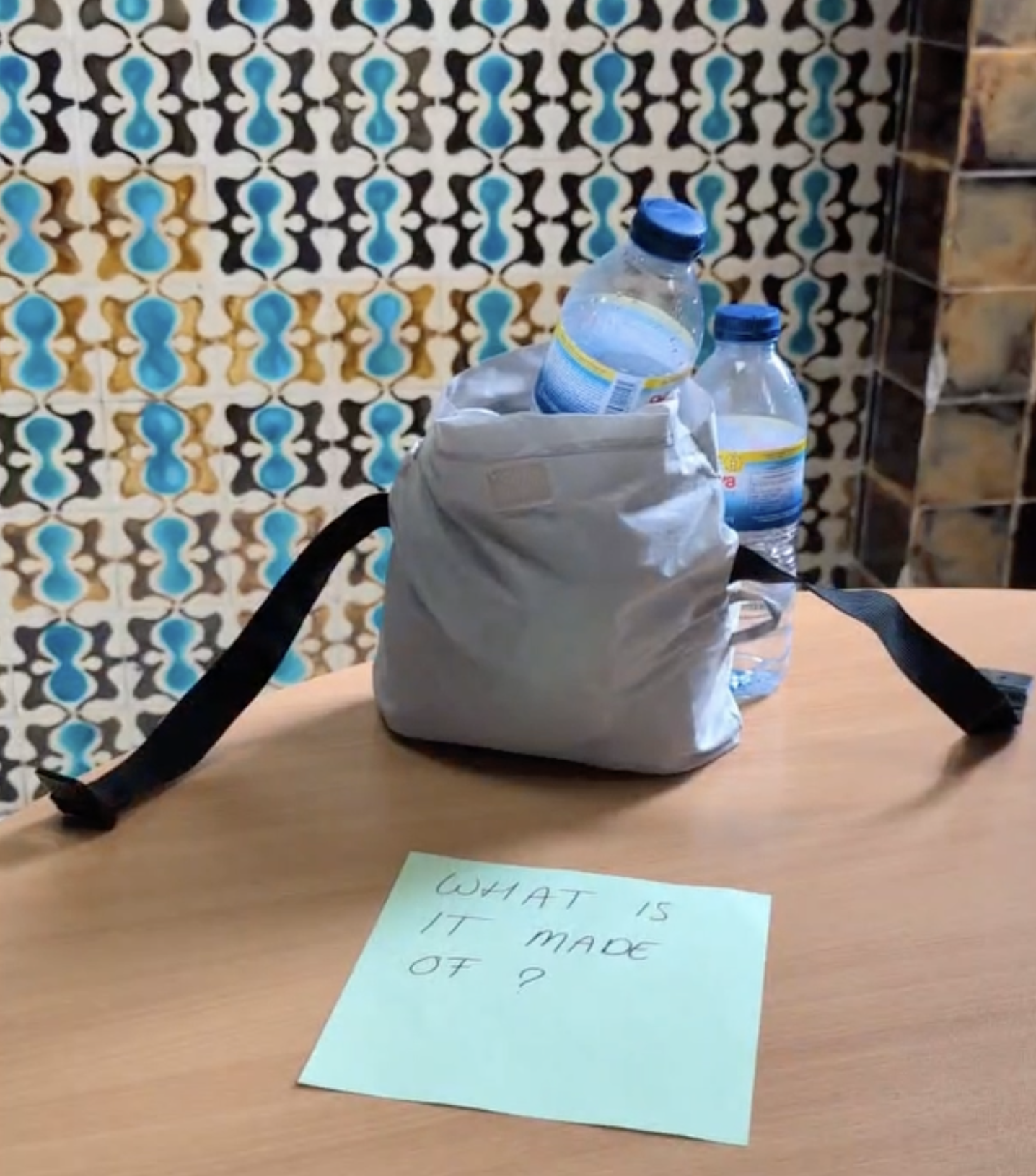
Group "What do you contain?"
Takeaways: Yes, but…
In the concluding discussion, participants were asked to give feedback about their experience filming an object. While most praised collaborating in spontaneously formed groups and reported having much fun, all but one group noted feeling excessive pressure. This stemmed from the short time allotted for filming and from a perceived expectation to produce “fun” content, out of fear of being boring.
One group struggled to grasp the intended audience, raising several questions: Were the videos meant for colleagues already teaching with objects? For those seeking inspiration to start? Or for a general audience simply wanting to learn about the object?
An answer began to emerge from other participants’ comments. They suggested using such activities in their own university courses to sustain student engagement, noting that interest sometimes falls after half an hour. This framed the primary audience as fellow educators rather than the general public.
Ultimately, two primary uses emerged. First, museum videos could demonstrate how objects normally displayed behind glass can be activated – serving as an extension of the exhibited item itself. Second, collection videos could function as a demystifying communication tool for broader outreach.
Do you include the medium “video” in your object-based teaching? Don’t hesitate to share your experience!